



Your brain can learn. It can be trained to heal.

Train Your Brain., Strengthen Your Mind., Transform Your Life.

Just like a muscle grows stronger with exercise, your brain can rewire itself when given the right training. At Hampton Neurofeedback, we guide that process — for lasting change in mood, focus, trauma, and more.

Why Phoenix

The Phoenix symbolizes the ability to rise, heal, and become renewed after life’s challenges. This is the heart of our work: helping individuals reconnect with their capacity for regulation, resilience, and transformation through neurofeedback and mental health support. Our larger vision is to make neurofeedback more accessible while also training the next generation of providers, creating a ripple effect of healing that reaches individuals, families, and communities.

Your brain is trainable — at any age.

Neurofeedback works by helping your brain observe its own patterns and self-correct. When a region underperforms, we train it — the same way physical therapy rebuilds strength after injury.

Neuroplasticity

Neuroplasticity

The brain retains the ability to form new connections throughout life. Targeted training can reshape patterns tied to anxiety, depression, attention, and trauma responses.

Dysregulation & symptoms

Dysregulation & symptoms

Many mental health symptoms — from PTSD to mood swings — stem from dysregulated brainwave activity. Neurofeedback identifies and gently corrects those patterns.

Real-time feedback loops

Real-time feedback loops

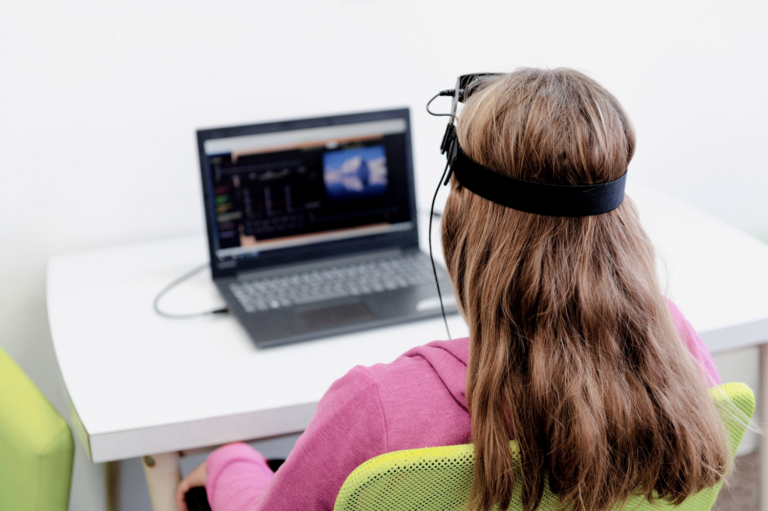
Sensors read your brainwave activity live. Software rewards optimal states with audio/visual cues, training your brain to sustain healthy patterns on its own.

Non-invasive & drug-free

Non-invasive & drug-free

No medication. No side effects. Neurofeedback complements existing therapy and can reduce reliance on medication over time with consistent training.

What we offer

Comprehensive brain training services.

chandramd-what-is-neurofeedback
Neurofeedback Sessions

One-on-one guided sessions using real-time brainwave monitoring and feedback technology.

shutterstock_413461849
Telehealth Therapy

Virtual psychotherapy sessions with Djara and licensed providers across supported states.

successful-business-people-working-in-modern-offic-2025-01-08-02-34-11-utc-1150x630
Talk Therapy + NF Integration
Combined psychotherapy and neurofeedback — addressing both the narrative and the neurology of your experience.
images
Child & Adolescent Programs

ADHD, ODD, behavioral challenges — neurofeedback is evidence-supported for youth brain training.

trauma-first-response
Trauma Recovery Protocol

Specialized PTSD and trauma programs using neurofeedback to calm the hyperaroused nervous system.

Who we help

You don't have to stay stuck in the same patterns.

Neurofeedback combined with clinical therapy has shown meaningful results for people navigating:

How It Works?

Our 3-Step Process

Free consultation

Free consultation

Meet with our team to discuss your goals, history, and whether neurofeedback is right for you.
Direction Arrows
Step 01
 assessment

assessment

qEEG brain mapping gives us a data-driven picture of where your brain needs support.
Direction Arrows
Step 02
Personalized training plan

Personalized training plan

We design a protocol tailored to your specific patterns, goals, and schedule.
Step 03

Meet your clinician

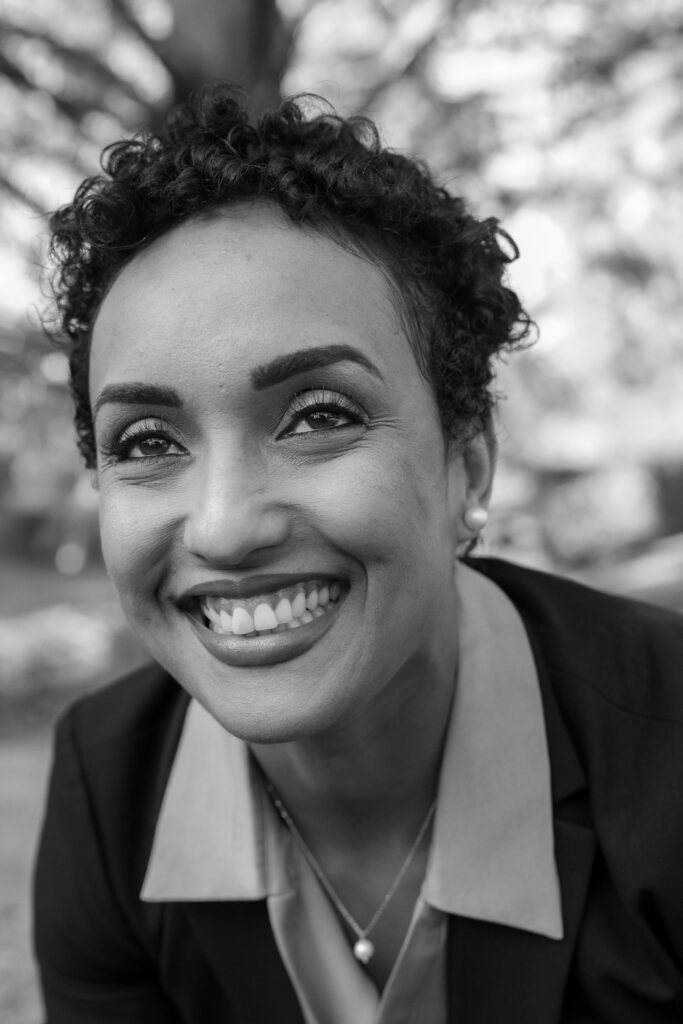
Djara Hampton, MSW, LICSW

Djara Hampton is a Licensed Independent Clinical Social Worker with advanced training in neurofeedback, trauma-informed care, and culturally affirming therapy. With a breadth of expertise spanning mood disorders, grief, racial identity, and women’s issues, Djara brings both clinical precision and deep human empathy to every session.

Her work is grounded in the belief that the brain, like the body, is capable of remarkable healing — when given the right tools, environment, and support.

Specialties

Frequently Asked Questions

Yes. Neurofeedback is considered a safe, non-invasive approach to brain training. It does not introduce anything into the body, use electrical stimulation, or require medication. Instead, it simply monitors brain activity and provides real-time feedback that helps the brain learn and strengthen healthier patterns. Neurofeedback has been used for decades in clinical, educational, and performance settings.

No. Neurofeedback is painless and comfortable. During a session, small sensors are placed on the scalp to measure brainwave activity. These sensors only record information—they do not send electricity into the brain. Most clients relax while watching a screen, listening to audio, or engaging with the training program. Many people find sessions calming and enjoyable.

The number of sessions varies depending on your goals, symptoms, and individual needs. Some people notice positive changes within the first few sessions, while others benefit most from a longer training program. Because neurofeedback works through a learning process, consistency is important. During your initial consultation, a personalized training plan will be developed based on your specific goals and circumstances.

Yes. Neurofeedback can be appropriate for children, adolescents, and adults. Many families explore neurofeedback to support focus, attention, emotional regulation, stress management, sleep concerns, and overall well-being. Training is tailored to the individual's age, needs, and goals, creating a supportive and comfortable experience for younger clients.

Neurofeedback is a form of brain training rather than traditional talk therapy. It focuses on helping the brain improve self-regulation and develop healthier activity patterns through real-time feedback. At Phoenix Neurofeedback & Mental Health Center, neurofeedback may be integrated with therapeutic approaches such as trauma-informed counseling, mindfulness, and emotional wellness support to provide a more comprehensive path toward healing and growth.

Want to receive push notifications for all major on-site activities?